

Improving eye care through biometric data in Ethiopia
A guest blog post from our partner Orbis, the eye sight charity.
Orbis is proud to share the story of our partnership with Simprints and the transformative impact we are making to the eye care of communities in Ethiopia.
Ethiopia carries the highest burden of trachoma in the world. This painful, infectious disease can lead to trachomatous trichiasis (TT)—a condition where eyelashes turn inward and scratch the eye, causing irreversible blindness if left untreated.
In 2021, with support from the Children’s Investment Fund Foundation (CIFF) and the Ethiopian Federal Ministry of Health, Orbis launched Operation Sight—a bold initiative to tackle the backlog of TT cases and protect people’s vision across Oromia, Central, South Ethiopia, and Sidama.
But reaching thousands of people across rural Ethiopia brings challenges: how do we make sure every patient is registered only once, every surgery is recorded accurately, and every person receives proper follow-up care?
That’s where our partner Simprints comes in.
A first-of-its-kind biometric solution
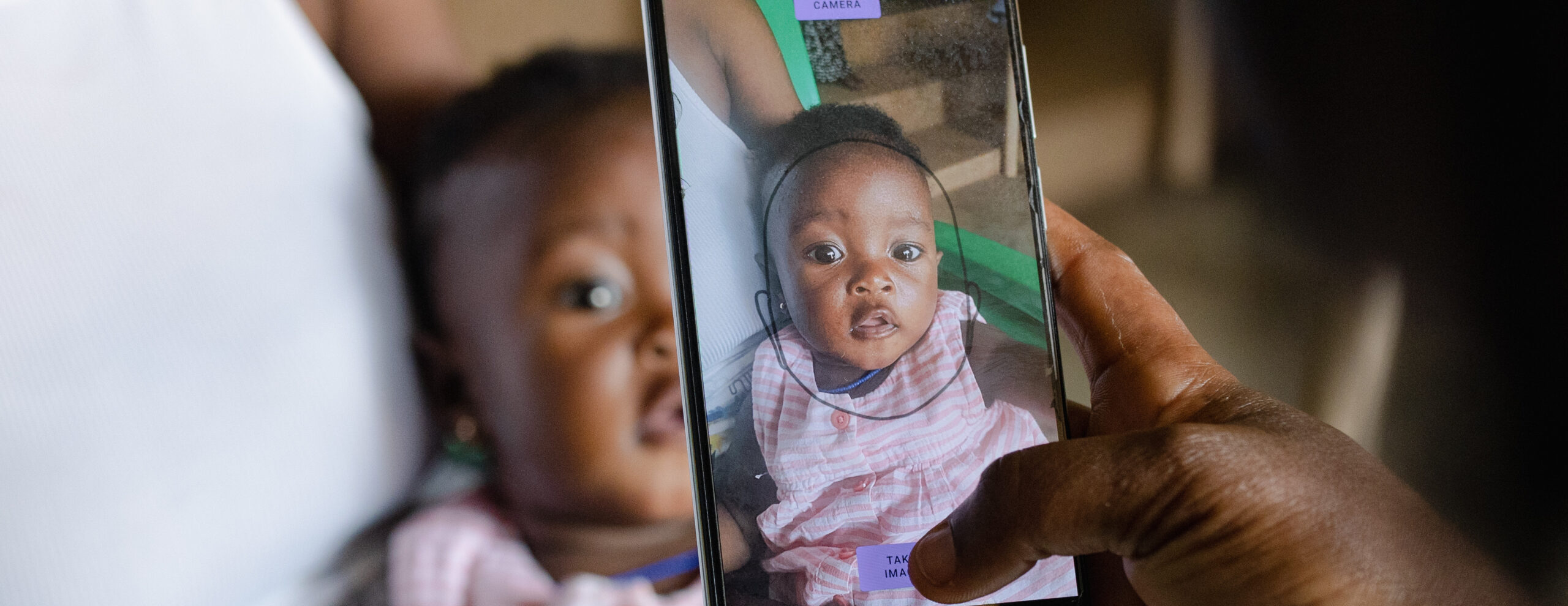
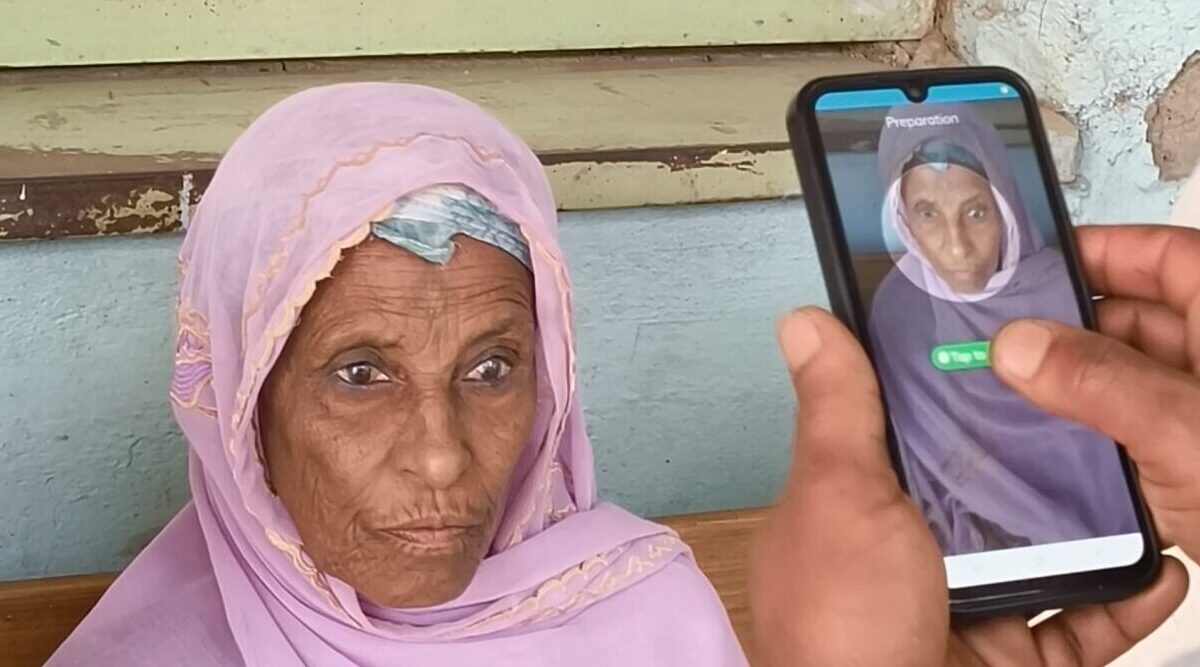
Simprints provides a privacy-first biometric ID system that uses a contactless and hardwareless solution to capture a patient’s facial biometrics, or a small handheld scanner to capture a patient’s fingerprint, which was predominantly used in Operation Sight.
This breakthrough technology has transformed how Orbis Ethiopia delivers care. Since the start of our partnership:
- 43,000 patients have been biometrically enrolled
- 40,000+ TT surgeries were digitised
- 57,000+ follow-up visits were conducted
- 340 Integrated Eye Care Workers were trained
By cutting the average patient search time from almost four minutes (when done manually) to just 24 seconds with biometrics, health workers can focus more on treating patients and restoring sight.
Better data, better care
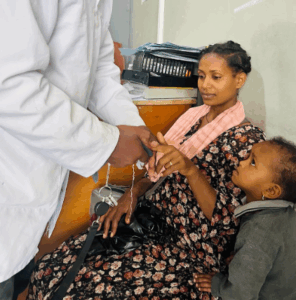
With Simprints, Operation Sight can now track surgeries, follow-ups, and outcomes in real time through a dynamic dashboard and interactive maps. This level of accountability strengthens the entire health system, ensuring that no patient is left behind.
And feedback has been overwhelmingly positive:
- 71% of health workers said biometric search is the most reliable method.
- 97% of patients were happy to use the system once they understood its purpose and benefits.
A project field coordinator put it simply: “There is no chance of duplication when using biometric enrolment, as the [biometrics] are unique to each individual and the likelihood of repeated recording is almost zero. So, biometrics has an incredible advantage for our program.”
Alemayehu Sisay, Orbis Ethiopia Country Director said, “By integrating biometric technology into trachomatous trichiasis case management, we’ve been able to improve patient identification, strengthen data accuracy, and streamline service delivery. This innovation is helping us overcome last-mile challenges and demonstrates the transformative role digital tools can play in scaling up Neglected Tropical Disease programs.
It’s inspiring to witness technology making such a tangible difference in people’s lives, and here at Orbis, we’re eager to make the most of new technology like this as we work together toward the elimination of trachoma”.
Looking ahead
Operation Sight runs through 2025, but its impact will last far longer. With every AI-powered face scan, and every surgery verified, Orbis and Simprints are proving that innovation can unlock new pathways to sight.
Together, we are showing the world that every person counts, and every person deserves the chance to see.
Learn more
- Explore our projects
- Learn more about our partners
- Delve into our evidence base